Neurology
The Neurology Center at “Meliva” clinics is a specialized department providing neurology and neurosurgery services. Patients are consulted for various nervous system disorders, including:
- Headaches and migraines
- Cerebral circulation disorders
- Spinal nerve root damage (radiculopathies)
- Demyelinating diseases (e.g., multiple sclerosis)
- Degenerative diseases (Parkinson’s or Alzheimer’s disease)
- Epilepsy
- Sleep disorders
- Peripheral neuropathies
- Other neurological conditions
Neurosurgeons in the center evaluate and treat congenital anomalies, structural damage, and injuries of the spinal cord.
The center performs key neurological diagnostic tests:
- Neck vessel ultrasound
- Transcranial Doppler
- Computed tomography (CT)
- Magnetic resonance imaging (MRI)
Additional functional nervous system evaluations may be performed depending on the clinical situation. Consultations are provided by neurologists and neurosurgeons, working collaboratively with other specialists to ensure comprehensive care.
What Conditions Do Neurologists Treat?
Neurologists diagnose and treat disorders of the central and peripheral nervous systems, including:
- Headaches (including migraines and cluster headaches)
- Cerebral circulation disorders (transient ischemic attacks, stroke)
- Demyelinating and degenerative diseases (multiple sclerosis, Parkinson’s, Alzheimer’s)
- Radiculopathies (nerve root irritation causing pain, numbness, or weakness)
- Peripheral neuropathies (often associated with diabetes or systemic diseases)
- Epilepsy and seizure disorders
- Neurological sleep disorders
- Vestibular disorders (e.g., benign paroxysmal positional vertigo – BPPV)
In children, neurological symptoms may present differently, so referral to a pediatric neurologist may be required.
What Conditions Are Treated by Neurosurgeons?
While neurologists manage functional disorders, neurosurgeons treat conditions requiring surgery, such as:
- Spinal disc herniation, vertebral instability, and degenerative spine diseases
- Spinal cord injuries and their последствия
- Congenital anomalies of the spine and spinal cord
- Complex brain and spinal tumors or vascular diseases
If neurological symptoms suggest structural changes, patients may be referred for neurosurgical consultation.
Diagnostic Tests Performed by Neurologists
To accurately assess the nervous system, the following tests are commonly performed:
- Neck vessel ultrasound – evaluates carotid arteries and blood flow risks
- Transcranial Doppler – ultrasound assessment of brain blood vessels
- CT scan – used in acute cases (sudden headache, trauma, suspected stroke)
- MRI scan – detailed visualization of brain and spinal structures
Additional tests may include:
- Electroencephalography (EEG) – measures brain electrical activity
- Electroneuromyography (ENMG) – evaluates nerve conduction and muscle function
Each test is selected individually based on the patient’s symptoms and condition.
When Should You See a Neurologist?
It is recommended to consult a neurologist if you experience:
- Recurrent or severe headaches without a clear cause
- Balance problems, dizziness, or changes in walking
- Numbness, tingling, or weakness in limbs
- Memory, speech, or concentration difficulties
- Seizures or episodes of loss of consciousness
- Sleep disorders, especially if accompanied by fatigue or involuntary movements
Monitoring the duration, frequency, and progression of symptoms is crucial, as it helps determine the need for further diagnostic evaluation.
The Neurology Center ensures thorough diagnosis and multidisciplinary care, helping patients receive accurate evaluation and appropriate treatment for nervous system disorders.
Services
Have a question?
Have a question? Fill in the inquiry form and we will contact you
Doctors providing this service


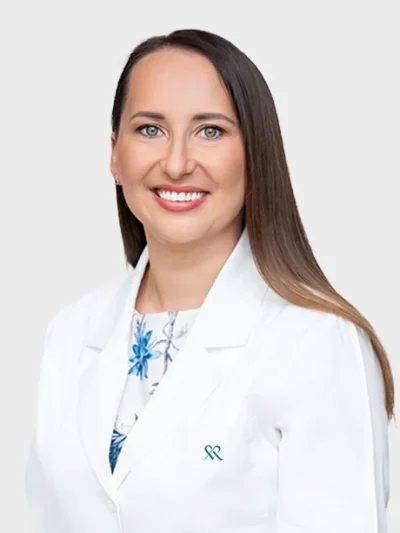
Aistė Laurinavičienė